


About this Zanzibar tour
Enjoy comfortable stays at handpicked hotels with daily breakfast and seamless airport transfers. Discover the island’s rich history with a Prison Island excursion and explore its famous spice plantations on a guided half-day Spice Tour. With ample free time to relax on pristine beaches or explore at your own pace, this Zanzibar escape offers the perfect balance of sightseeing and relaxation.
Highlights
- Sightseeing
- Slave History
- Swahili Cuisine
Itinerary
Upon arrival at Zanzibar International Airport, you will be warmly welcomed and assisted with your transfer to your selected hotel. Check in and relax after your journey, taking time to explore the surroundings or enjoy the hotel amenities at leisure. The rest of the day is free for personal activities.
Meals: None
Overnight: Zanzibar
Mode of Transport: Private Airport Transfer
Day Activity: Arrival & Leisure
After breakfast at the hotel, proceed for a half-day excursion to Prison Island, famous for its giant tortoises and rich history. Enjoy the scenic boat ride and explore the island at a relaxed pace. After the tour, return to your hotel and spend the remainder of the day at leisure, enjoying the beach or relaxing at the resort.
Meals: Breakfast
Overnight: Zanzibar
Mode of Transport: Boat Transfer + Road Transfer
Day Activity: Prison Island Tour
After breakfast, enjoy a full day at leisure. You may relax by the beach, explore local markets, or opt for optional activities such as snorkelling, dhow cruises, or cultural tours (at additional cost). This day allows you to fully unwind and experience Zanzibar at your own pace.
Meals: Breakfast
Overnight: Zanzibar
Mode of Transport: None
Day Activity: Leisure
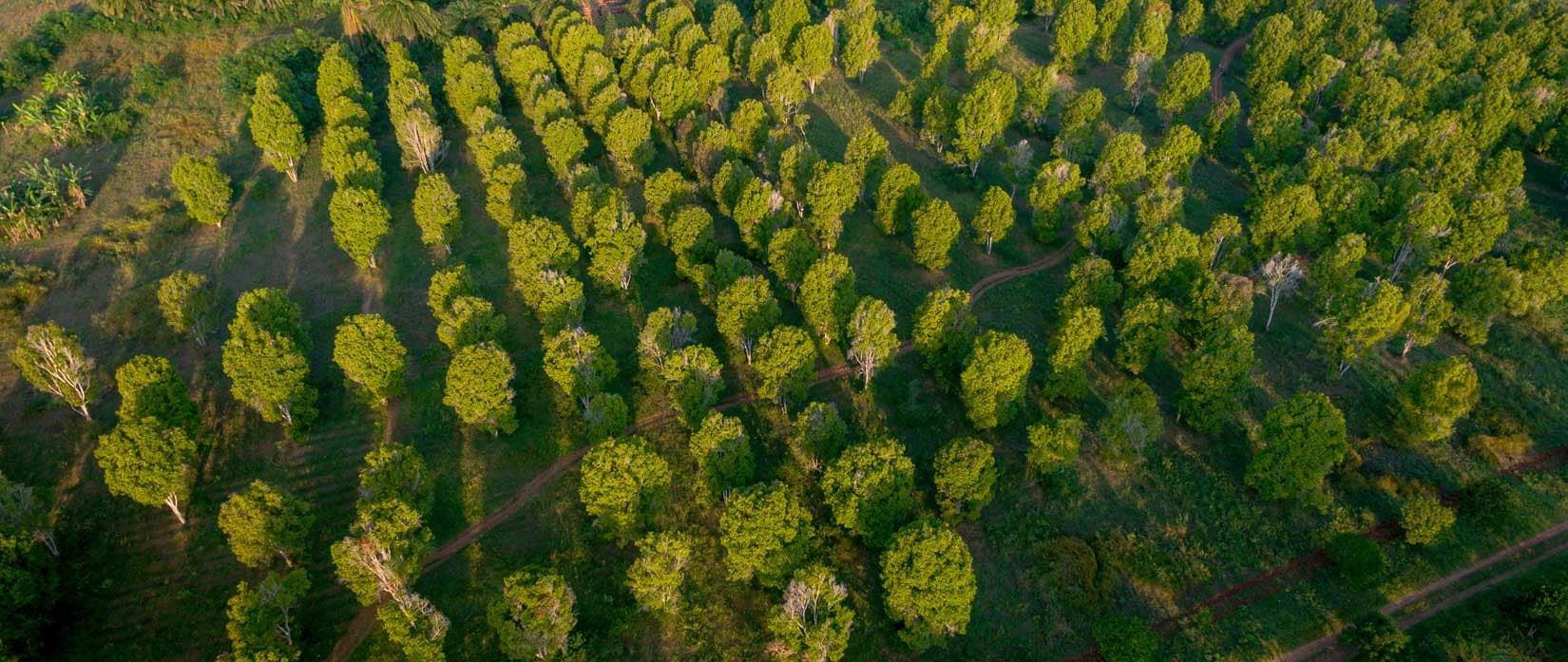
Enjoy breakfast at the hotel before heading out for a standard half-day Spice Tour. Discover Zanzibar’s heritage as the “Spice Island” while visiting spice plantations and learning about various aromatic spices and tropical fruits. After the tour, return to the hotel and enjoy the rest of the day at leisure.
Meals: Breakfast
Overnight: Zanzibar
Mode of Transport: Private Transfer
Day Activity: Spice Tour
After breakfast, check out from the hotel and transfer to Zanzibar International Airport for your return flight, taking back unforgettable memories of your tropical island getaway.
Meals: Breakfast
Overnight: None
Mode of Transport: Private Airport Transfer
Day Activity: Departure
Inclusions/Exclusions
Price Includes
- 04 Nights Stay in Zanzibar
- Daily Breakfast at Hotel
- Return Airport Transfers
- Prison Island Half-Day Excursion
- Half Day Spice Tour
- Return Airport Transfers on private & Sightseeing on Sharing Basis
Price excludes
- Zanzibar Travel Insurance: USD 50 per adult (mandatory)
- International airfare
- Early check-in and late check-out (subject to availability)
- Optional tours and activities not mentioned in the itinerary
- City/Infrastructure Tax to be Paid by the Guest Directly to the Hotels
- Personal expenses such as tips, laundry, phone calls, and beverages
- Any services not specifically mentioned under “Inclusions”
Zanzibar Tours: Frequently Asked Questions
Destination & Experience
Yes, Zanzibar is one of the safest destinations in Africa. The local people are warm and welcoming, and the island is safe to visit year-round. That said, basic precautions apply — keep valuables in your hotel safe, avoid walking alone at night, and don't carry expensive gadgets to the beach. Solo female travellers are also welcome; staying at reputable hotels and booking through a trusted tour operator adds an extra layer of security.
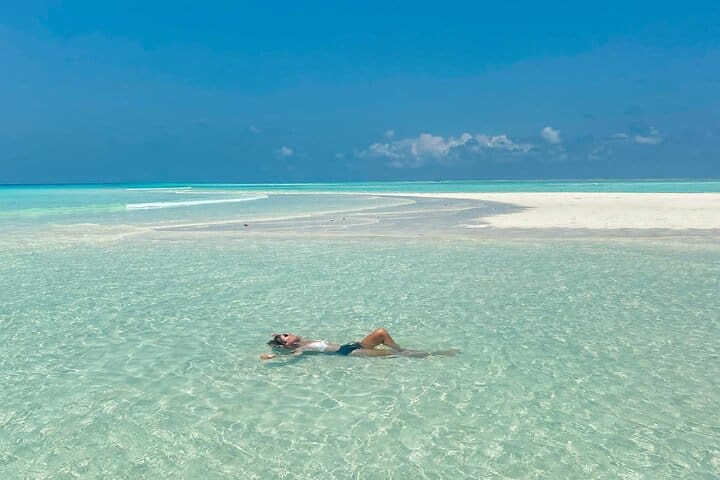
Yes. The waters are generally warm and calm, with relatively small tides, making swimming enjoyable. Other popular water activities include snorkelling, scuba diving, and kitesurfing.
Zanzibar can be visited year-round, but the best time is during the dry seasons: June to October, and mid-December through February. Expect clear blue skies and calm Indian Ocean waters during these months.
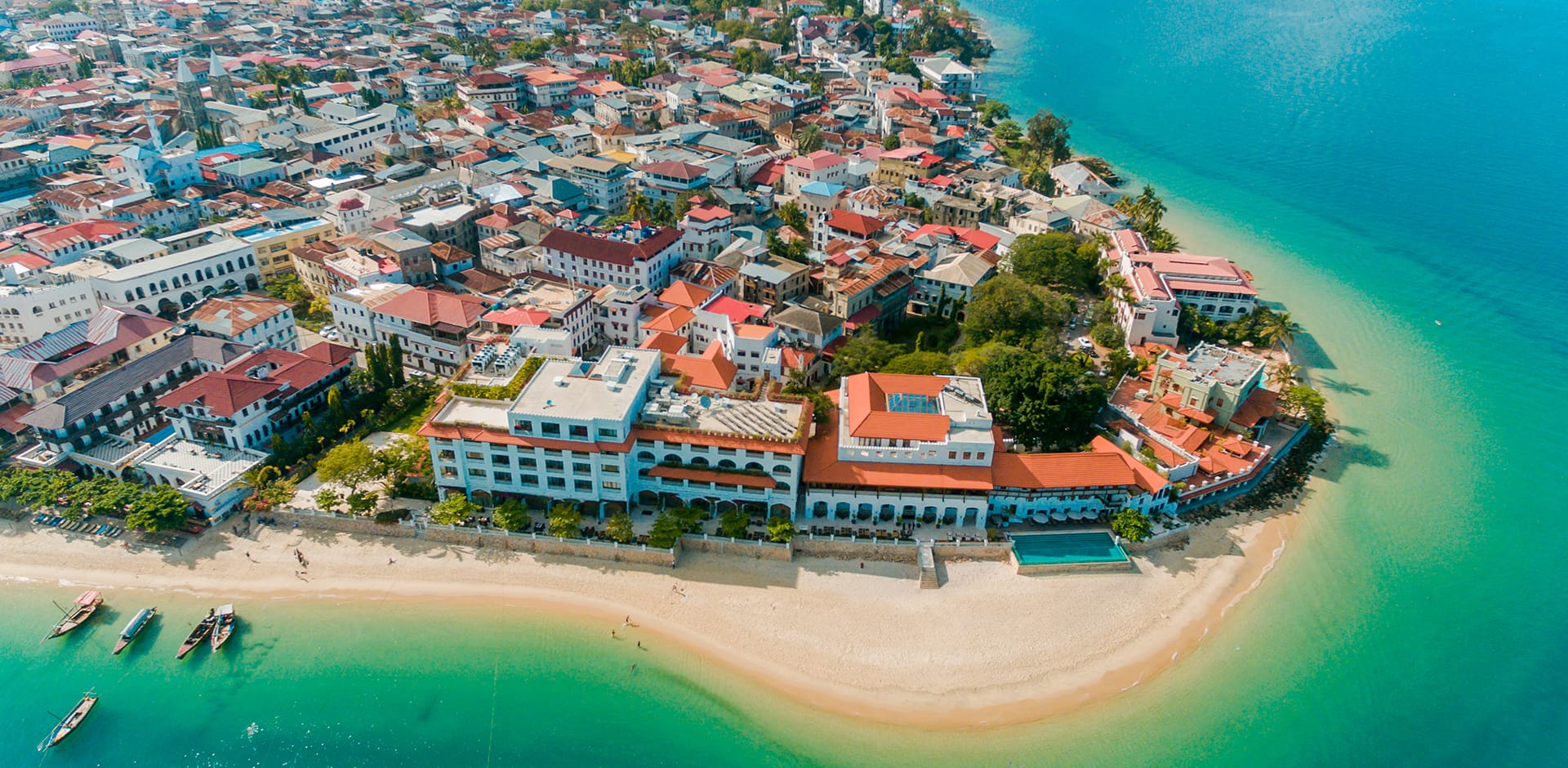
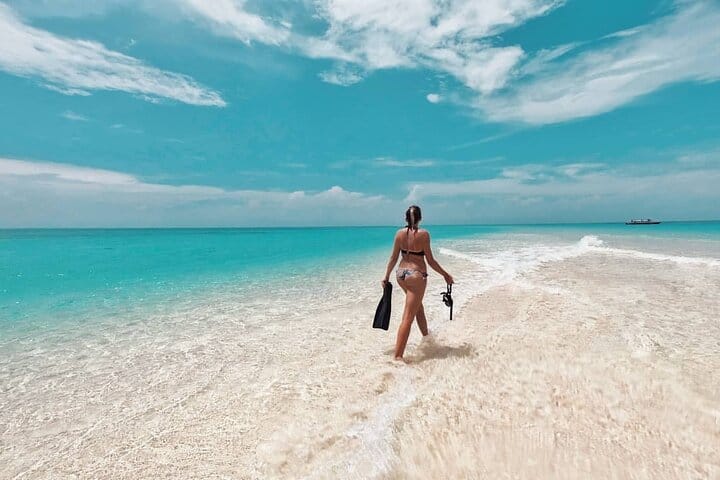
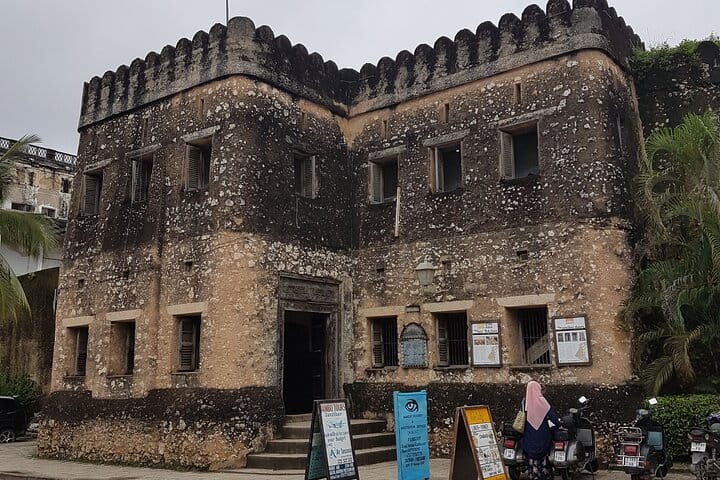
Absolutely. Zanzibar offers a rare combination of powdery white sand beaches, turquoise waters, rich Swahili culture, and UNESCO-listed Stone Town. It's especially popular for beach holidays, honeymoons, and combining with a Tanzania mainland safari.
Zanzibar is surprisingly affordable compared to other world-class beach destinations. Options exist across all budgets, from mid-range guesthouses to luxury beach resorts. Submit your budget using our inquiry form on this itinerary and we'll tailor a package to suit you.
A minimum of 3 days is recommended, though most travellers find 5–7 days ideal to enjoy the beaches, explore Stone Town, and try at least one island excursion without feeling rushed.
All beaches are beautiful, but the northern coast — particularly Nungwi and Kendwa — offers the calmest waters ideal for swimming and water sports, and is the most accessible for most visitors.
Yes, Zanzibar is consistently ranked among the world's top honeymoon destinations. Couples enjoy stunning sunsets, romantic dhow cruises, and world-class beach resorts designed for privacy and luxury.
Yes. Alcohol is available at hotels, resorts, and licensed bars. Zanzibar is a predominantly Muslim island, so drinking in public spaces or outside designated areas is not appropriate — please respect local customs.
Beachwear is fine at your resort or on the beach. However, when visiting Stone Town, local villages, or markets, dress modestly — covering shoulders and knees is respectful and expected. Walking shirtless or in very skimpy outfits in public areas is considered offensive.
The most convenient way is by air — direct or connecting flights land at Abeid Amani Karume International Airport (ZNZ) in Zanzibar. From the mainland, you can also take a high-speed ferry from Dar es Salaam (approx. 2 hours). Most tour operators will arrange airport or ferry transfers.
Entry Requirements
Yes. Recommended vaccinations include yellow fever, typhoid, and cholera. Malaria prophylaxis is also strongly advised. Please consult your physician or travel health clinic at least 4–6 weeks before departure for personalised medical advice.
Zanzibar is a semi-autonomous region of Tanzania, so you do not need a separate Zanzibar visa — your Tanzania visa covers entry. Most international visitors (including from the US, UK, EU, Canada, and Australia) require a Tanzania e-Visa, which must be applied for online before travel at immigration.go.tz. The standard single-entry tourist visa costs USD 50 and allows a stay of up to 90 days. Processing typically takes 7–10 business days, so apply at least 2–3 weeks before your travel date. Documents required: valid passport (6+ months validity), passport photo, flight itinerary, and accommodation confirmation. Visa on arrival is technically available but involves long queues — online application is strongly recommended.
Yes. Effective October 1, 2024, all foreign non-residents travelling to Zanzibar are required to purchase mandatory travel insurance directly from the national insurer, the Zanzibar Insurance Corporation (ZIC), prior to arrival. This "Inbound Travel Insurance" costs USD 44 per person and covers the entire duration of your stay, including unexpected medical emergencies and expenses such as medical evacuations and repatriation. Children aged 2–17 pay USD 22; children under 2 are exempt. The policy is mandatory for all visitors regardless of any existing travel insurance you may already hold. Purchase it in advance at visitzanzibar.go.tz to avoid queues at immigration. Note: if you are also visiting mainland Tanzania, a separate mainland insurance policy is required — the Zanzibar policy does not cover the mainland, and vice versa.